

Baby and Toddler Multivitamins: What Parents Should Look For on the Label
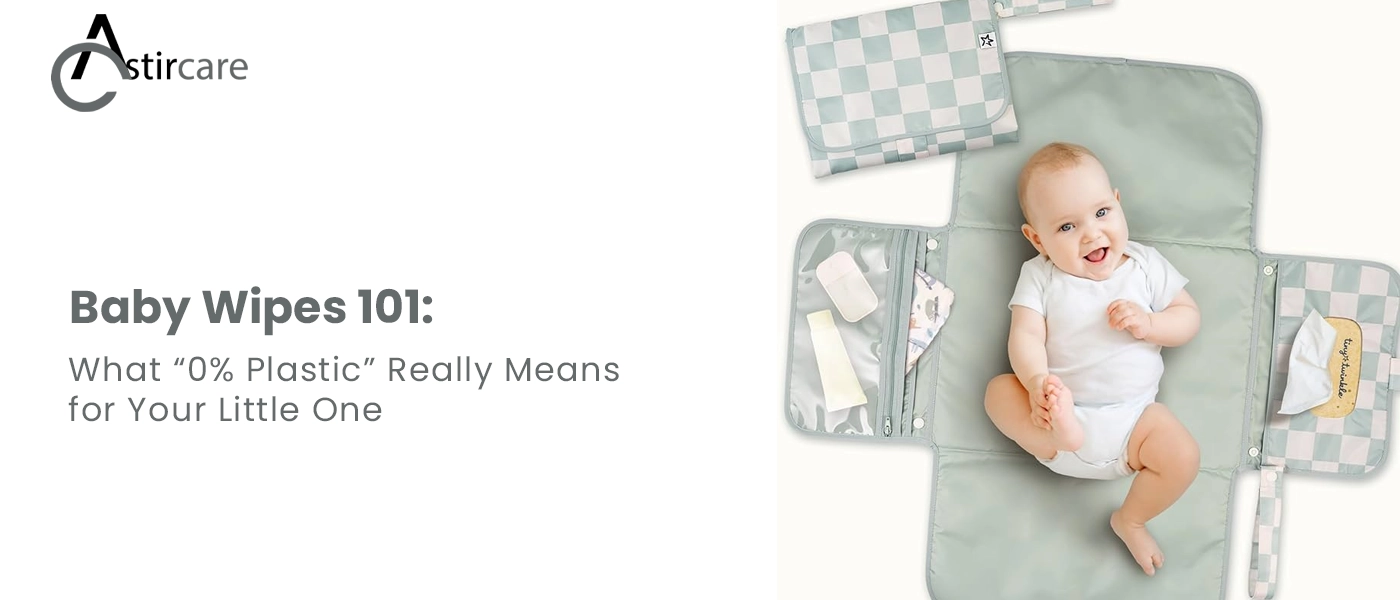
31 Dec 2025Baby wipes touch your little one’s skin many times each day, so the words on the packet matter more than they first seem. When you see “0% plastic” on baby wipes, it can feel like another buzzword on a crowded shelf. You want clear facts, not greenwashing or jargon. Picture a quick nappy change after a long night: you reach for a pack that promises gentle care for your baby and less impact on the planet. This guide walks through Baby Wipes 101 so you understand what “0% plastic” really means for your little one and for your daily routine.
Why baby wipe ingredients matter
- Baby wipes touch delicate skin on the face, hands, and nappy area many times each day, so each ingredient plays a role in comfort and skin health.
- Standard wipes often use plastic-based fibres that feel smooth but can trap heat and moisture on the skin during frequent nappy changes.
- “0% plastic” baby wipes replace plastic fibres with plant-based or cellulose fibres, which can feel breathable and reduce build-up on the skin over time.
- When you choose wipes from trusted brands like Pampers Sensitive, Pampers Harmonie Aqua, or Tena Proskin Wet Wipes, you know the formula goes through strict safety checks for daily use.
- Good wipes work with your overall routine: gentle cleaning, quick drying, and a suitable barrier cream when you see signs of redness or irritation.
What “0% plastic” in baby wipes actually means
- “0% plastic” wipes do not contain plastic in the wipe sheet itself, so the fibres come from non-plastic sources such as plant-based or other alternative materials.
- The claim usually refers to the wipe fabric and not always the full pack, so the outer wrapper or lid may still include plastic for hygiene and freshness.
- Plastic-free fibres can break down differently from conventional polyester or polypropylene fibres once thrown away, which affects how long wipes remain in landfill.
- These wipes still follow normal safety rules, so they remain strong when wet, do not fall apart in your hand, and stay soft on your baby’s skin during a change.
- “0% plastic” does not mean you can flush the wipes; most packs clearly state that all wipes, including plastic-free ones, belong in the bin and not in the toilet.
0% plastic vs regular wipes: key differences parents care about
- Skin feel: 0% plastic wipes can feel more cloth-like, while regular wipes may feel slightly smoother or more stretchy because of plastic fibres.
- Moisture balance: some wipes hold more lotion and water, which can help with sticky messes but may leave more residue, so you might follow with a dry cotton pad.
- Fragrance options: both 0% plastic and regular wipes come in scented and fragrance-free versions, so the “plastic-free” label does not automatically mean fragrance-free.
- Environmental impact: wipes with plastic fibres take much longer to break down in landfill than wipes with plastic-free fibres, so a switch can reduce long-term plastic waste.
- Price and availability: 0% plastic wipes sometimes cost slightly more, but many parents mix them with standard options, using plastic-free wipes for everyday care and other wipes for travel or backup.
How to read baby wipe labels without feeling lost
- Start with the front-of-pack claims: look for “0% plastic,” “suitable for sensitive skin,” “0% perfume,” or “0% alcohol,” and treat them as quick filters rather than the full story.
- Turn the pack over and scan the fibre description; if you see terms like “polyester” or “polypropylene,” the wipe contains plastic, while cellulose or plant-based fibre signals a different base.
- Check the ingredients list in the lotion for things like perfume, common preservatives, and soothing agents such as glycerin or plant-based extracts.
- Look for clear disposal guidance, such as “do not flush” and local recycling symbols for outer packaging, so you know how to handle used wipes and empty packs.
- Keep a note on your phone of which wipe packs work well for your baby and which ones cause redness or dryness, so future shopping stays simple.
When 0% plastic wipes make the most sense
- Daily nappy changes at home: many parents use 0% plastic wipes as their main option here because use is frequent and waste builds up quickly.
- Newborn and sensitive skin: if you notice quick reactions to fragrance or certain fibres, 0% plastic wipes, especially sensitive versions, can form part of a gentler routine.
- Eco-conscious routines: if you want to cut down on plastic where possible, switching wipes can be a direct and visible step.
- Shared households: when grandparents or carers help with childcare, one clear wipe choice makes it easier for everyone to follow the same routine.
- Mixed care needs: some families also care for older relatives and use larger wipes, such as Tena Proskin Wet Wipes XL, so they use 0% plastic baby wipes for little ones and specialist wipes for adult care.
How Astir Care helps you choose the right wipes
- Astir Care brings nappies, wipes, and changing essentials together in one place, so you can compare baby wipes that offer “0% plastic” with sensitive or fragrance-free options that match your child’s needs.
- You can browse wipes from brands like Pampers and Tena alongside nappies, trainers, and creams, which makes it easier to build a full changing set without jumping between sites.
- Each product page shows pack size, price, and key features, so you can balance budget, performance, and ingredient preferences.
- When you shop through the nappies and wipes section, you see deals such as percentage discounts or multipack prices, which help when you buy in bulk.
- The range updates over time, so you can return to the same category page when you want to try a different wipe type or move to training pants as your little one grows.
Simple baby changing routine that protects skin
- Prepare your space with baby wipes, a clean nappy, a barrier cream, and a safe surface before you start the change.
- Wipe from front to back with soft, gentle strokes and use fresh sections of the wipe for each pass to avoid spreading mess.
- Pat the area dry with a towel or cotton pad, as leaving too much moisture under the nappy can lead to redness and discomfort.
- Apply a thin layer of cream if you see signs of irritation or if your child sits in a nappy for longer stretches, such as overnight.
- Wash your hands after each change and keep wipes and nappies in the same spot so tired changes feel more routine and less stressful.
When to speak to a professional about your baby’s skin
- Contact your health visitor, pharmacist, or GP if the rash spreads, looks very sore, or does not improve after a few days with your usual care.
- Seek advice if you notice blisters, open skin, or signs of infection such as yellow crusts, strong odour, or if your baby seems clearly discomfort during changes.
- Mention which wipes, nappies, and creams you use, including any recent switches, so the professional can spot likely triggers.
- Ask for guidance on suitable products for conditions like eczema or very dry skin, as these can need more tailored care.
- Keep a simple log of flare-ups to see whether they link to teething, antibiotics, diet changes, or longer periods in a wet nappy.
Gentle next steps for your baby and the planet
If you want baby wipes that care for your little one and the planet, small choices can make a real difference in daily life. A move towards “0% plastic” wipes, along with the right nappies and creams, can support healthy skin and reduce long-term plastic waste. Astir Care offers a clear way to explore nappies, wipes, bathing, and changing products in one place, so you can compare options and pick what feels right for your family. To browse the latest baby wipes and nappies, visit the nappies and wipes section at Astir Care’s baby and child changing page.
Leave a Comment