

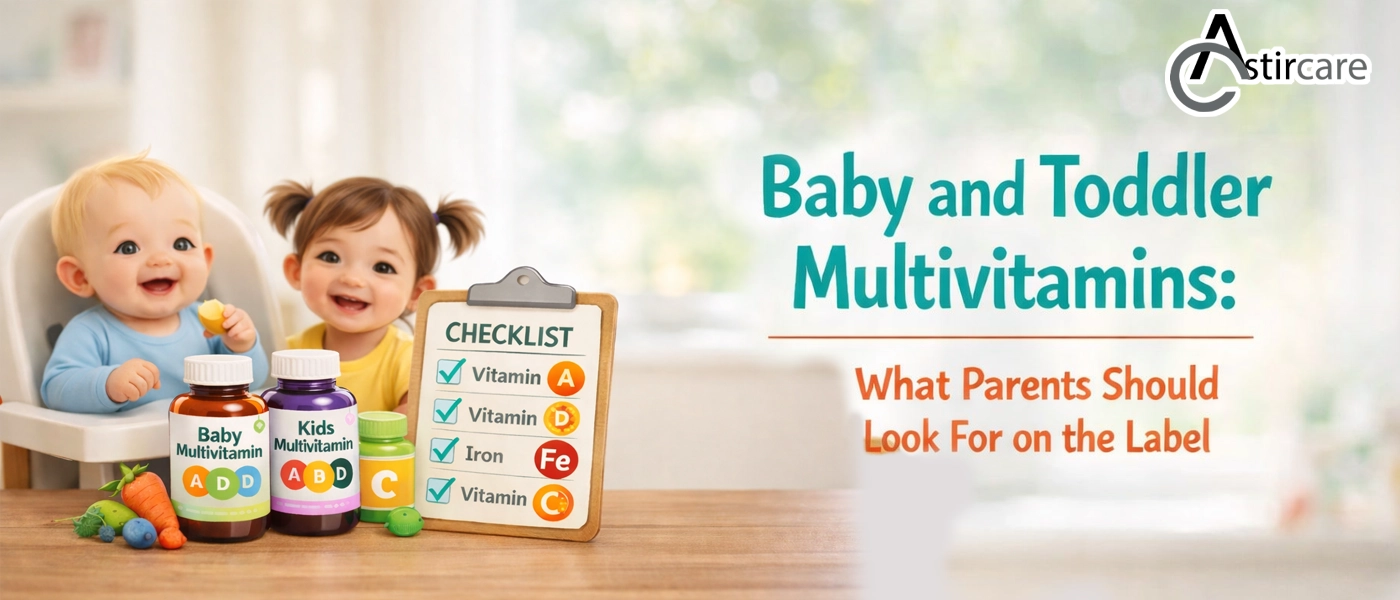
Baby and Toddler Multivitamins: What Parents Should Look For on the Label
31 Dec 2025Bleeding gums can be alarming—but they’re also common. In the UK, many adults experience occasional gum irritation, often triggered by plaque buildup along the gumline. While the condition may seem minor at first, it can quickly progress to gingivitis or even periodontitis if left unaddressed. Thankfully, using the right toothpaste is one of the simplest ways to improve gum health at home. In this guide, you’ll learn what causes bleeding gums, which toothpaste ingredients are effective, how to choose the best formula for your needs, and which products UK dentists recommend for daily gum protection.
What Causes Bleeding Gums?
Bleeding gums are typically a response to irritation and inflammation caused by plaque. When plaque is not removed through daily brushing and flossing, bacteria accumulate near the gumline and begin to damage soft tissue.
Common causes include:
- Poor brushing and flossing habits
- Using a hard-bristled toothbrush or brushing too aggressively
- Vitamin deficiencies, particularly Vitamin C and D
- Hormonal changes (especially during pregnancy)
- Tobacco use, which restricts blood flow to the gum tissue
- Certain medical conditions, such as diabetes
If your gums bleed frequently during brushing or flossing, this may be an early sign of gingivitis. It’s important to act early to prevent further complications. Alongside better oral hygiene, switching to a gum care toothpaste can help reduce inflammation and discomfort.
Ingredients to Look for in Toothpaste for Bleeding Gums
Choosing the right toothpaste starts with understanding which ingredients are clinically shown to support gum health. Here are the most effective ones:
- Stannous fluoride: Reduces inflammation and strengthens enamel while offering antibacterial protection.
- Zinc citrate: Controls plaque formation and helps fight odour-causing bacteria.
- Essential oils: Ingredients like eucalyptus, menthol, and thymol may offer antimicrobial and soothing effects.
- Sodium bicarbonate (baking soda): Gently neutralises acid and helps polish teeth without harsh abrasion.
- No SLS (Sodium Lauryl Sulphate): Avoid this common foaming agent if you have sensitive gums or mouth ulcers, as it may worsen irritation.
- Always read labels carefully. If you’re prone to irritation or have been diagnosed with gum disease, consult your dentist before switching formulas.
How to Choose the Right Gum Care Toothpaste in the UK
Not all toothpastes are suitable for bleeding gums. Here’s how to narrow down the right option based on your condition and preferences:
- For daily maintenance: Choose a mild formula with fluoride and zinc, ideal for long-term prevention and general gum health.
- For existing gum problems: Opt for toothpastes containing stannous fluoride or antibacterial agents, often labelled for “gum disease” or “bleeding gums”.
- For sensitivity + bleeding gums: Select a formula that combines gum protection with desensitising agents like potassium nitrate or strontium acetate.
- For natural preferences: Look for clinically tested herbal options with aloe vera, chamomile, or tea tree oil. Ensure the product meets UK safety standards.
- For multi-benefit care: Some formulas offer additional support for enamel repair, cavity prevention, or whitening, without compromising gum health.
A complete buyer’s guide should also consider cost, ingredient safety, and brand trust. In the UK, prices for dentist-recommended gum care toothpastes typically range between £3 and £6.
How to Use Gum Care Toothpaste for Best Results
To see improvement, consistency matters. Follow these tips for effective use:
- Brush twice a day using a soft-bristled toothbrush and a pea-sized amount of toothpaste.
- Use gentle, circular motions—especially along the gumline. Avoid scrubbing.
- Do not rinse your mouth immediately after brushing. This allows active ingredients to stay in contact with your gums.
- Use floss or interdental brushes daily to remove plaque between teeth.
- Replace your toothbrush every 2–3 months or sooner if bristles become frayed.
- If your gums still bleed after two weeks of consistent care, speak to a dentist. You may need a professional cleaning or further treatment.
Can You Reverse Bleeding Gums at Home?
Mild gum bleeding caused by plaque or poor brushing technique can often be reversed through daily care. Here’s what helps:
- Use a gum care toothpaste twice a day.
- Rinse with a non-alcoholic mouthwash suited for sensitive gums.
- Clean between teeth with floss or interdental brushes every night.
- Avoid smoking and limit sugar intake.
- Eat a diet rich in fresh vegetables, citrus fruits, and foods high in vitamins C and D.
- If bleeding becomes more frequent or is accompanied by pain, swelling, or bad breath, see a dentist as soon as possible.
Protect Your Smile with Confidence
Bleeding gums should never be ignored, but they also don’t need to be a source of daily stress. With the right toothpaste and oral care routine, most early gum problems can be managed at home. Whether you’re seeking long-term protection or looking for relief from sensitive, inflamed gums, choose a formula that’s backed by science and suited to your needs. Want to take the guesswork out of buying? Explore our curated collection of dentist-recommended toothpastes for bleeding gums, gum protection kits, and more.



Leave a Comment